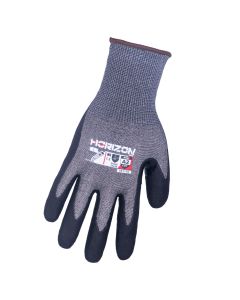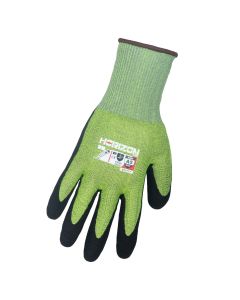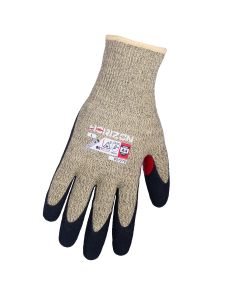
In 2021, a staggering 19.2% of accepted claims were related to hand injuries, underscoring the critical role of safety equipment like work gloves in various industries. This blog post introduces BBH’s new collection of cut-resistant gloves and cut proof gloves, a game-changer in hand protection. We’ll also delve into the ANSI rating system, helping you understand the level of protection each glove provides.
Product Features
BBH’s new collection offers a versatile range of cut-resistant industrial gloves, including heavy duty gloves, designed to meet diverse industry needs. The selection includes gloves coated with polyurethane, nitrile, washed micro-foam nitrile, micro-foam nitrile, sandy nitrile, and neoprene, among others.
Crafted from durable materials such as nylon, polyester, and stretch nylon-elastane blends, we even offer special aramid versions to ensure safety during electrical or gas work. Available in various thicknesses (13, 15, 18, and 21 gauges), there are several versions for a multitude of different markets. You’re sure to find a model to suit your workers.

Benefits
Our Blade Armor™ fiber, 9 to 15 times stronger than those made with ordinary HPPE fiber, enabling us to design cut-resistant gloves with unrivalled comfort in a thin shell feeling like a 2nd skin.
This translates into several user-centric benefits:
- Enhanced comfort due to the glove’s lightweight design
- Improved dexterity allowing for precise movements
- Superior breathability for prolonged use without discomfort.

Understanding Cut Scores and ANSI Ratings for Cut Resistant Gloves
The American National Standards Institute (ANSI) standardizes a system to test a glove’s cut resistance. Gloves are tested with a TDM-100 machine and given a cut score from 1-9 based on the force exerted on the blade.
For instance, A1 rated gloves are suitable for situations where there is very little risk of cuts, such as general-purpose gloves, assembly, shipping & receiving, landscaping, and warehouse work. On the other hand, A9 rated gloves offer the maximum cut protection, suitable for heavy-duty tasks like mining, demolition, heavy equipment operation, and metal stamping. This understanding is crucial in selecting the right glove that minimizes the cut risk while maximizing flexibility for the task.

Choosing the Right Glove
Choosing the best glove means finding one that is flexible, reduces the chance of getting cut, and matches the safety levels set by the ANSI.
Conclusion
BBH’s new cut-resistant gloves offer superior protection, comfort, and dexterity. With various styles and coatings, they provide durability and user experience. Don’t wait, give your hands the best protection with BBH’s work gloves today!
Check out our cut-resistant gloves catalogue by clicking on the below image: